
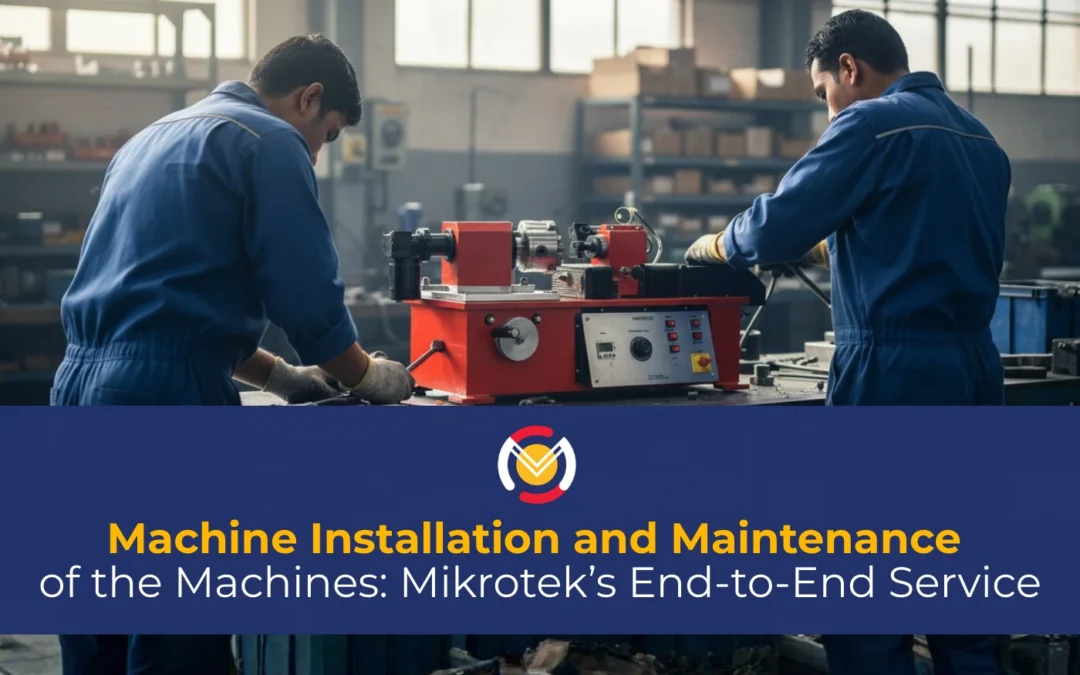
Machine Installation and machine maintenance ensure safe setup, stable performance, and long service life of the working equipment. A structured process covers inspection, installation, testing, training, servicing, and continuous support for uninterrupted production.
1. Machine condition and site readiness assessment
2. Professional installation and calibration
3. Operator demonstration and guidance
4. Preventive servicing, overhaul, and repair
5. Performance checks and lifecycle support
Introduction:
Modern manufacturing depends on machines that perform reliably from day one. Every installation decision shapes productivity, safety, and maintenance costs over time. A structured approach to Machinery Installation and Maintenance helps businesses protect equipment investments and maintain consistent output across operations.
Why does Machine Installation and Machine Maintenance matter for the working equipment?
Machinery Installation begins with protecting productivity, safety, and value. The right installation leads to proper alignment and smooth operation, while the right maintenance leads to optimal performance and avoids unexpected shutdowns.
1. Operational readiness: Proper installation enables machines to be ready for production without any delays.
2. Safety assurance: Structured inspections and setup reduce risk factors associated with electrical connections, mechanical movement, and operational handling.
3. Performance stability: Regular maintenance keeps machines aligned with production standards and ensures consistent results.
4. Cost awareness: Preventive care supports better repair planning and reduces unexpected expenses during operations.
Studies published in Machines (MDPI) emphasize that systematic maintenance planning directly improves equipment reliability and long-term performance.
How does the Machine Installation and Maintenance of the Machine process begin for a new machine?
Machine Installation begins with understanding the equipment, workplace conditions, and production goals. Early planning ensures installation moves smoothly and prepares teams for operational use.
1. Initial evaluation: Technical review covers machine specifications, condition, and transportation readiness before installation planning begins.
2. Site preparation: Workplace readiness assessed through flooring, electrical connections, safety measures, and operational space.
3. Installation planning: Timeline created to align installation with production priorities and workflow continuity.
4. Resource preparation: Technicians, tools, and service arrangements are organized before execution for efficient completion.
What happens during installation and operator familiarization?
Machine Installation includes precise installation followed by a hands-on demonstration for operators. This stage builds confidence and prepares teams for safe handling.
1. Machine positioning: Equipment is placed with attention to stability, vibration control, and operator accessibility.
2. Calibration and configuration: Mechanical and electrical adjustments are carried out to align with production requirements.
3. Performance testing: Trial runs conducted to confirm readiness for operational conditions.
4. Operator training: Guided demonstration explains usage practices, safety precautions, and routine checks.
How does overhaul and repair support Machine Installation over time?
Overhaul and repair play a major role in Installation and Maintenance by restoring efficiency and extending equipment life. Periodic inspection helps identify wear and performance variations before production impact increases.
1. Detailed inspection: Technicians examine structural components, electrical systems, and operational behaviour to detect potential issues early.
2. Correction planning: A list prepared outlining repairs, adjustments, and parts replacement required for improvement.
3. Execution and restoration: Repair and refurbishment work were carried out to restore the machines to operational condition.
4. Validation and testing: Machines are tested to ensure they are ready before returning to production environments.
How does plant-level servicing improve Machine Installation outcomes?
Machine Installation supported at a service facility enables deeper inspection and structured repair work. Plant servicing allows technicians to perform detailed evaluations and corrective action under controlled conditions.
1. Comprehensive diagnostics: Advanced inspection identifies hidden mechanical or electrical issues affecting performance.
2. Component restoration: Parts repaired or replaced to improve machine efficiency and reliability.
3. Refurbishment support: Painting and finishing completed based on the customer’s request to restore appearance and function.
4. Performance assurance: Testing confirms operational stability before machines are dispatched.
How does the client journey unfold in Machine Installation?
A client journey begins with awareness and gradually builds into a long-term service relationship focused on stability and growth.
1. Recognition stage: A business identifies the need for equipment installation or servicing and begins exploring reliable partners.
2. Consultation stage: Technical discussions clarify machine requirements, installation conditions, and operational priorities.
3. Execution stage: Installation, calibration, and demonstration, prepare equipment for real production environments.
4. Stability stage: Routine maintenance visits help maintain consistent performance and prevent disruptions.
5. Continuity stage: Overhaul, upgrades, and periodic servicing support equipment throughout its operational lifecycle.
How does structured Machine Installation influence production planning?
Production teams depend on machines that deliver predictable results. Machine Installation and Maintenance supports production planning by aligning equipment performance with operational timelines.
1. Reduced operational interruptions: Preventive servicing keeps machines ready for scheduled work cycles.
2. Consistent product quality: Calibrated equipment ensures the accuracy required for die-working processes.
3. Efficient resource usage: Maintenance planning aligns the workforce and material handling effectively.
4. Operational confidence: Teams work with assurance when machines perform steadily across production stages.
How does Mikrotek deliver Machine Installation and Maintenance of the Machine services?
Mikrotek offers Machine Installation and Maintenance services for working machines. The services include installation, maintenance, overhaul, and repair.
Customer site visits are conducted for installation and demonstration purposes to ensure proper usage. Overhaul and repair services conducted at the Bengaluru facility include inspection, planning corrections, replacement, and refurbishment, based on customer requirements. Installation and maintenance services are offered for various brands of die working machines.
Conclusion
Machine Installation and Maintenance provides support for all phases of owning a machine, from installation and learning to servicing and operation. Companies benefit from stability when well-defined processes are in place for machine installation, inspection, repair, and operation. Contact us to avail more services.
FAQs
1. How does a business know when to begin Machine Installation and Maintenance of the machine services?
A business starts the process when new equipment is received, production is increased, or performance variations are noticed in existing equipment. Early planning helps ensure a safe installation, organized maintenance, and a smooth production flow.
3. What is the role of installation in influencing the Machine Installation experience as a whole?
Installation provides the basis for smooth running. Proper placement, calibration, and step-by-step instruction are essential for preparing operators to handle, perform, and follow safety procedures.
How does ongoing service improve Machine Installation and Machine Maintenance outcomes?
Regular servicing maintains equipment health and performance consistency. Periodic inspection, tuning, and operational guidance support reliability, improve lifecycle value, and help production teams operate with confidence.
2. What happens during the first discussion for Machine Installation?
The first discussion focuses on machine information, installation factors, production requirements, and maintenance needs. This phase helps create an understanding of the timelines, technical requirements, and maintenance support needed for a smooth process.
4. What is the role of repair planning in Machine Installation and Machine Maintenance?
Repair planning starts after an inspection reveals performance deficiencies. A distinct plan for repairs and replacements enables businesses to make informed decisions while maintaining workflow continuity.